

Extrusion Line Monitoring: Uptime, Line Speed & Energy per Kilogram
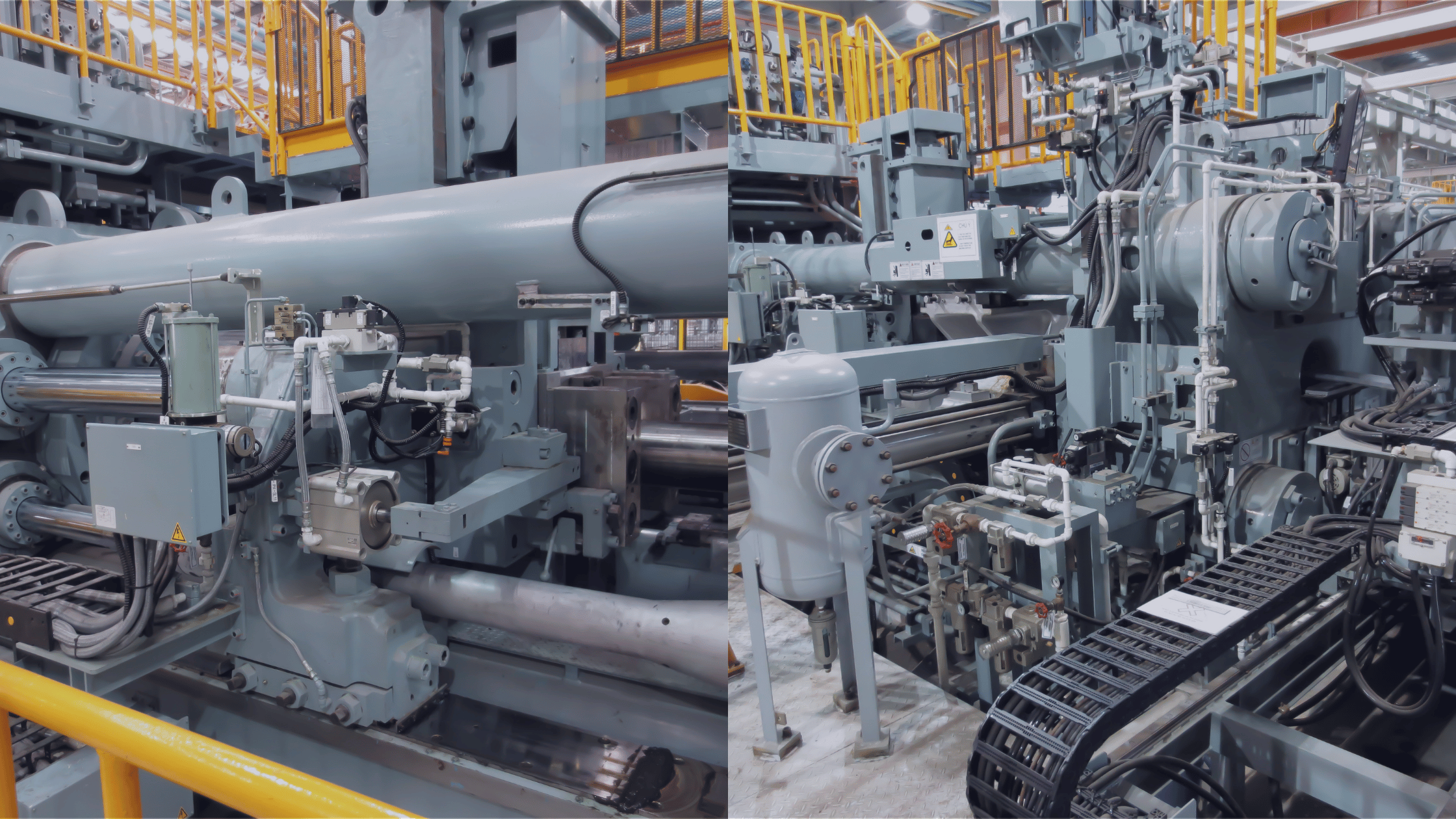
An extrusion line is designed to run for days without stopping, and that is what makes every stop so expensive. When a pipe, profile, film, or sheet line goes down, the loss includes the restart: purging, bringing zones back to temperature, and running off-spec material until the dimensions settle. Extrusion line monitoring records each line's speed, output, stops, and energy use continuously, so a plant can see how much of its week the lines really ran at rate and what each interruption cost.
Continuous processes also hide slow losses well. A line that runs a few percent below its rated speed for a month never appears on a downtime report, yet it gives up as much output as a long breakdown.
What Is Extrusion Line Monitoring?
Extrusion line monitoring is the automatic, timestamped collection of running and stopped states, line speed, throughput, process conditions, and energy use from an extruder and the downstream equipment that completes the line. It treats the extruder, cooling, puller, cutter or winder as one production unit, because a stop anywhere along that chain stops the line.
Data comes from two sources. Line controllers can share screw speed, melt pressure and temperature, and line speed, and the plastics machinery industry has developed EUROMAP 84 as a common interface between extrusion lines and MES. Older lines, and equipment from several builders, can be covered with non-invasive sensors that read motor load, heater currents, and temperatures directly. Most plants combine both, alongside the rest of the plastics equipment SensFlo monitors.
Where Extrusion Lines Lose Output
Extrusion lines lose output through stops and restarts, changeovers, and running below rate, and each one shows up differently in the data.
A stop costs more than its duration. After a screen pack change, a die fault, or a downstream jam, the line needs time to stabilize, and the material produced during that window is often scrap or regrind. Measuring startup time and startup scrap per stop shows the true cost of each interruption and helps justify fixes such as automatic screen changers or better downstream maintenance.
Changeovers between materials, colors, or dies are planned but vary widely in length. Recording each changeover from the last good product to the first good product of the next run shows which transitions take longest and whether sequencing jobs by color or material would shorten them.
Running below rate is the least visible loss. Operators may slow a line to hold dimensions on a difficult product or to compensate for a worn screw or a cooling problem, and the line keeps producing good material. Comparing actual line speed and kilograms per hour against the standard for each product reveals that gap.
What Signals Should Extrusion Line Monitoring Capture?
Extrusion line monitoring should capture enough data to separate running, changeover, startup, and stopped time, measure output against standard, and flag process and equipment problems before they cause scrap. The table below lists the core signals.
SignalWhat it showsHow it is capturedMain drive load and screw speedRunning state, throughput trends, and screw or gearbox problemsController data or a current sensor on the driveLine speed and outputMeters or kilograms per hour against standardPuller or winder signal, or controller dataBarrel zone heater currentsFailed heater bands before temperature control is lostCurrent sensors on heater circuitsMelt pressure and temperatureProcess stability and screen pack loadingController dataCooling water temperatureVacuum tank, calibrator, or chill roll problems that limit speedTemperature sensors on water circuitsDownstream equipment statusPuller, cutter, saw, or winder stops that halt the lineEquipment outputs or current sensorsEnergy useSpecific energy consumption in kWh per kilogramPower monitoring on the line supply
Heater currents are an underused signal. A barrel zone can lose one of several heater bands while the controller compensates with the remaining bands, so the zone temperature looks normal until the remaining heaters can no longer keep up. Watching the current drawn by each heater circuit exposes that failure immediately, and SensFlo's temperature monitoring adds independent checks on barrel, die, and cooling water temperatures.
How to Measure Extrusion Performance Correctly
Extrusion performance is best measured with three numbers read together: uptime, rate, and specific energy consumption. Uptime is the share of scheduled time the line produced saleable material. Rate compares actual kilograms or meters per hour with the standard for that product. Specific energy consumption, usually expressed as kilowatt hours per kilogram, divides the energy the line used by the mass it produced.
Startup time should be its own state. Counting the stabilization period after a stop as running time inflates uptime and hides scrap, while counting it as downtime understates how long the line actually ran. Separating it makes the cost of each stop visible. The OEE calculation guide explains how rate and quality losses fit into a single figure for plants that want one.
Specific energy consumption deserves attention because it moves with throughput. A line running slowly still heats its barrel and turns its screw, so energy per kilogram rises when rate falls. Tracking it by product and by line shows which products cost the most to run and gives a clear target for energy projects.
Capturing the reason behind each stop
Automatic stop detection shows when and for how long a line stopped, and a short operator entry explains why. Keeping the reason list to the causes that actually occur, such as screen change, die cleaning, downstream jam, material, and quality hold, makes the data usable. Automated downtime tracking covers how to build that list.
How to Monitor Older and Mixed Extrusion Lines
Older extrusion lines can be monitored with sensors that require no change to the controls. A current sensor on the main drive shows running state and load, current sensors on heater circuits catch heater failures, temperature sensors on water circuits watch cooling, and a signal from the puller or winder gives line speed. Vibration sensors on the gearbox and drive motor add condition data, and SensFlo's vibration sensors are designed for that kind of monitoring.
Newer lines can add controller data through OPC UA or Modbus. The guide to legacy machine monitoring connections explains how to choose a path for each piece of equipment, and SensFlo's FloControl platform combines sensor signals with protocol data so the extruder and every downstream unit report into one timeline. Validate a few shifts of monitored speed and output against production records before using the data to set targets.
Where Extrusion Data Pays Off
The first return is output. Fewer and shorter stops, faster changeovers, and lines restored to standard rate all add saleable kilograms without new equipment, and the SensFlo ROAI calculator estimates that value with your own rates.
Energy is the second. Extruders and their heaters are among the largest electrical loads in a plastics plant, and power data shows both energy per kilogram and lines left heating through breaks or weekends. The overview of SensFlo power monitoring describes the hardware, and the article on reducing operational costs in manufacturing shows where those savings fit.
Maintenance gains follow from condition data on drives, gearboxes, and heaters, which supports repairs planned around actual run hours, as the comparison of predictive and preventive maintenance explains. Plants that also mold parts can apply the same approach through the injection molding machine monitoring guide.
An extrusion plant that can see its rate, its restarts, and its energy per kilogram can run its lines closer to what they were built to produce. To see how that looks on your own lines, schedule a SensFlo demo and bring a list of your lines, the products they run, and your most frequent causes of stops.
Frequently Asked Questions
What should be monitored on an extrusion line?
The core data is running state, line speed, output in kilograms or meters per hour, stops, changeovers, and startup time. Drive load, heater currents, melt pressure, and cooling water temperature add process and condition context. Energy per kilogram helps manage one of the plant's largest costs.
What is specific energy consumption in extrusion?
Specific energy consumption is the energy a line uses divided by the mass it produces, usually expressed in kilowatt hours per kilogram. It rises when a line runs below rate because heaters and drives keep consuming energy while output falls. Tracking it by product and line shows where energy projects will pay off.
How can monitoring detect a failed heater band?
Current sensors on each heater circuit show the current drawn by the bands in a zone. When one band fails, that current drops even though the controller may still hold the zone temperature with the remaining bands. Catching the drop early prevents temperature loss and scrap.
Can older extruders be monitored without changing the controls?
Yes. Non-invasive current, temperature, and vibration sensors capture running state, load, heater health, cooling, and drive condition without any change to the controller. Line speed can come from the puller or winder. Controller data can be added on newer lines.
Why does a short stop on an extrusion line cost so much?
After a stop, the line needs time to return to temperature, purge, and stabilize dimensions, and much of the material made during that period is scrap or regrind. The real cost of a stop includes that startup time and scrap. Monitoring records both, so the plant can see which causes of stops are most expensive. The machine monitoring glossary defines related terms.
You might also like...



Talk to us
Let us take your company to the next level. Let’s have a chat and find out how we can help you.

