

Knitting Machine Monitoring: RPM, Stops & Fabric Output
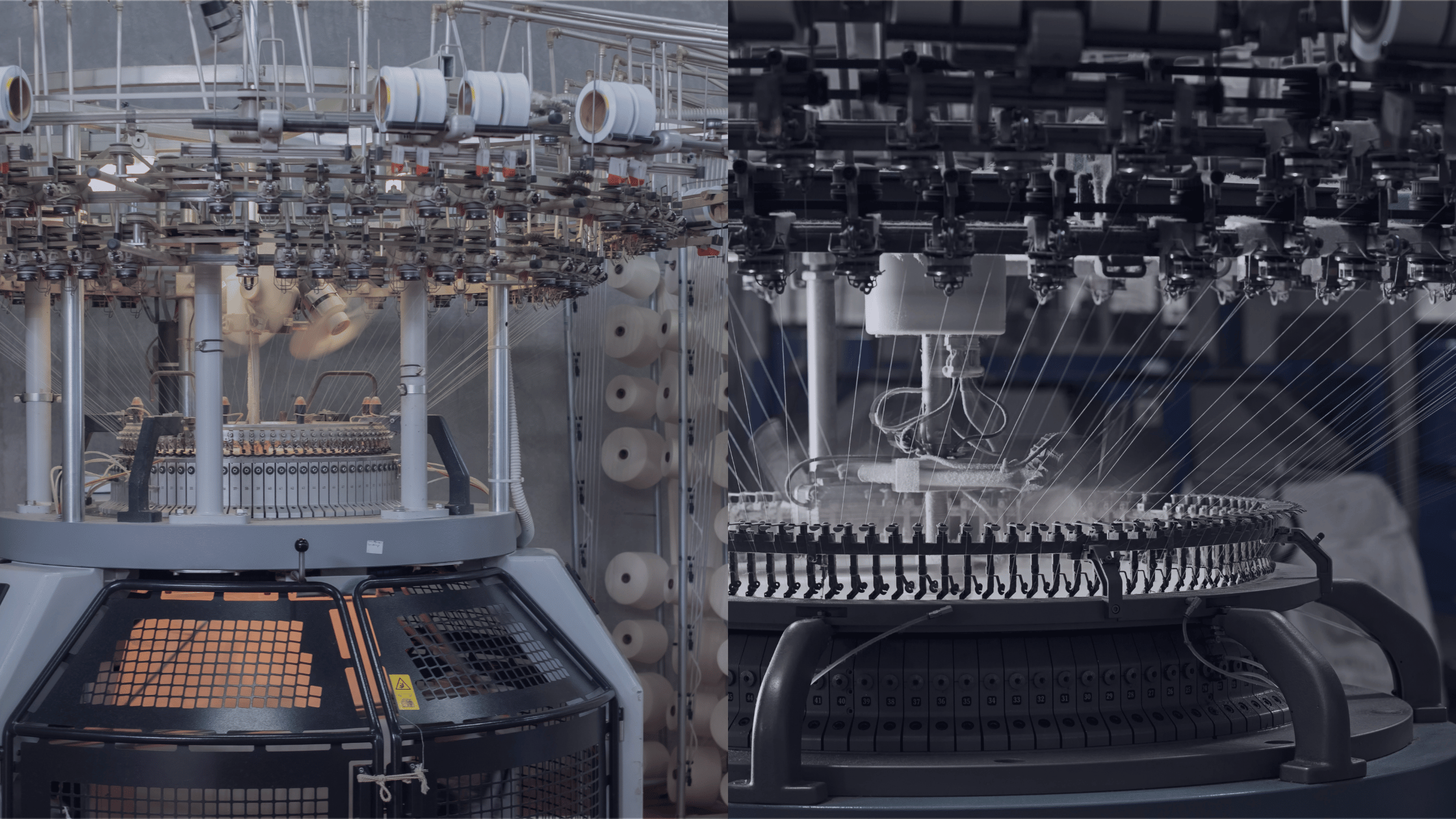
A circular knitting machine can run for hours producing a continuous tube of fabric, and in a busy knitting room one operator may tend a dozen machines or more. When a yarn breaks or a needle fails, the stop motion halts the machine, and it waits until someone notices. Knitting machine monitoring records every machine's speed, revolutions, and stops automatically, so the knitting room can see its real efficiency by machine, fabric, and shift and reach stopped machines sooner.
Knitting efficiency is built from many short stops. Recovering a few minutes per machine per shift adds up quickly across a room of high-speed machines producing fabric by the kilogram.
What Is Knitting Machine Monitoring?
Knitting machine monitoring is the automatic, timestamped collection of running and stopped states, speed in revolutions per minute, revolution counts, stop causes, roll changes, and machine condition from circular and flat knitting machines. It gives each machine a continuous record that can be compared across the room, by fabric style, and by shift.
Newer knitting machines can share speed, counters, and stop codes from their controllers, while older machines can be covered with simple external sensors: a current sensor on the main motor for running state and a proximity sensor for revolutions. A monitoring system should combine both across the rest of the textile equipment SensFlo monitors.
How Knitting Efficiency Is Measured
Knitting efficiency is the ratio of revolutions a machine actually made to the revolutions it could have made at its set speed over the same time. A circular machine set at 30 revolutions per minute that completes 12,600 revolutions in an eight-hour shift of 480 minutes has run at 87.5 percent efficiency. Because each revolution produces a known length of fabric, revolutions also convert directly to output when the fabric's course and weight are known.
Stops should be measured alongside efficiency. Yarn breaks, needle failures, holes or dropped stitches detected by fabric sensors, and spandex breaks on stretch fabrics each trigger the stop motion, and each points to a different cause. Planned stops, including roll doffing, creel changes, and style changes that require new cam settings, belong in their own category so they do not hide the unplanned faults the team can reduce.
Fabric consistency is the third measure. The length of yarn fed per revolution and the resulting fabric weight determine whether a roll meets specification, and a machine that drifts can produce many kilograms of off-weight fabric before anyone weighs a roll. Monitoring that links revolutions to roll weights helps catch that drift early. The OEE calculation guide shows how efficiency and quality losses combine for mills that report OEE.
What Signals Should Knitting Machine Monitoring Capture?
Knitting machine monitoring should capture enough data to calculate efficiency, separate stop causes, and track the conditions that affect fabric quality. The table below lists the core signals.
SignalWhat it showsHow it is capturedRunning state and stop durationWhen each machine ran and how long every stop lastedMachine output or a current sensor on the main motorSpeed and revolution countRPM, total revolutions, efficiency, and fabric length producedController data or a proximity sensor on the cylinderStop causeYarn break, needle, fabric fault, or door and safety stopsStop motion signals or controller codesRoll changesDoffing time and kilograms per rollRoll counter or operator entry at doffingRoom temperature and humidityConditions that affect yarn behavior and stop ratesEnvironmental sensors in the knitting roomMotor and drive conditionBearing wear, belt problems, and overheatingVibration and temperature sensors
Revolution counting is the foundation. A proximity sensor that reads each turn of the cylinder gives exact speed and output on almost any circular machine, regardless of age or builder, and it does not depend on access to the controller.
Room conditions deserve continuous attention because yarn behaves differently as temperature and humidity change, and a dry or overheated room can raise yarn break rates across many machines at once. SensFlo's temperature monitoring tracks room conditions alongside machine data so that pattern becomes visible. Condition data from SensFlo's vibration sensors on drive motors helps maintenance plan bearing and belt work before a breakdown.
Turning Knitting Data Into Higher Output
Knitting data raises output when it shortens the time between a stop and a restart. A live view of stopped machines, sorted by stop duration, helps operators and mechanics reach the longest stops first, and measuring response time by section shows whether each operator is tending a realistic number of machines.
Stop rates by fabric and by yarn lot provide the next level of improvement. When one yarn lot causes far more breaks than another on the same fabric, the data supports a conversation with the spinner or a change in yarn handling. When one machine has higher needle stops than its neighbors, it is likely due for needle replacement or cylinder maintenance. Automated downtime tracking explains how to capture reasons for longer stops without slowing operators down.
Planning improves as well. Real efficiency and kilograms per shift by machine and style replace standard estimates, which makes delivery dates for knit fabric more reliable. The article on real-time data and scheduling accuracy explains that feedback loop.
How to Monitor Older and Mixed Knitting Machines
Older knitting machines can be monitored with sensors that require no change to the machine controls. A current sensor on the main motor shows running state, a proximity sensor counts revolutions, and the machine's existing stop motion signals can identify the cause of each stop. Flat knitting machines with electronic controls can often share counters and stop codes directly.
The guide to legacy machine monitoring connections explains how to choose a path for each machine, and SensFlo's FloControl platform combines sensor signals with OPC UA and Modbus data so every machine reports into one view. Validate a few shifts of monitored revolutions and stops against machine counters and roll weights before setting targets.
Why Knitting Monitoring Matters in North America
Knit fabric is a core product for U.S. mills supplying performance apparel, hosiery, medical textiles, and home goods, and for Mexican plants producing knit apparel for the North American market. The National Council of Textile Organizations counts 82,000 jobs in U.S. textile mills producing yarns and fabrics in 2025, part of a supply chain that depends on short lead times and dependable output. Plants that knit in more than one location can compare rooms through multi-facility machine monitoring.
Knitting connects to the rest of the mill. Plants that also weave or spin can apply the same approach through the loom monitoring system guide and spinning mill monitoring, and the overview of machine monitoring for textile manufacturing covers the wider plant.
A knitting room that sees every stop as it happens can produce more fabric from the machines and operators it already has. Use the SensFlo ROAI calculator to estimate the value of recovered machine hours, or schedule a SensFlo demo with a list of your knitting machines, their gauges and diameters, and the fabrics you run most.
Frequently Asked Questions
How is knitting machine efficiency calculated?
Knitting efficiency equals the revolutions a machine actually made divided by the revolutions it could make at its set speed over the same period. A machine set at 30 RPM that completes 12,600 revolutions in 480 minutes runs at 87.5 percent efficiency. Revolutions also convert to fabric output when course length and weight are known.
What are the most common causes of knitting machine stops?
Yarn breaks, needle failures, fabric faults such as holes or dropped stitches, and spandex breaks on stretch fabrics are the most common unplanned stops. Roll doffing, creel changes, and style changes are planned stops. Monitoring stop causes by fabric and yarn lot shows which ones dominate.
Can older circular knitting machines be monitored?
Yes. A current sensor on the main motor and a proximity sensor that counts cylinder revolutions provide running state, speed, and output on almost any circular machine. The machine's stop motion signals can identify stop causes without changes to the controls.
How does monitoring help with fabric weight consistency?
Linking revolution counts to roll weights shows the fabric weight produced per revolution on each machine. When that figure drifts, it signals a change in yarn feed or stitch length before many kilograms of off-weight fabric are produced. Mills can then adjust the machine or yarn feed early.
Does room humidity affect knitting machine performance?
Yes. Yarn behavior changes with temperature and humidity, and a dry or overheated knitting room can raise yarn break rates across many machines. Monitoring room conditions alongside stop rates shows when the environment is the cause. The machine monitoring glossary defines related terms.


Talk to us
Let us take your company to the next level. Let’s have a chat and find out how we can help you.

