

How Sharp Plastics Increased Average Work Time by 62% With Remote Production Visibility

Production leaders need current information when the factory is operating, especially when ownership or management is located away from the plant. Sharp Plastics faced a visibility gap because the owner lived two hours from the factory and received weekly reports showing parts produced without current insight into machine status or the parts running.
SensFlo connected press cycles, mold identity, cloud access, alerts, planned versus actual performance, and downtime reasons. The public Sharp Plastics Success Story reports a 62% increase in average work time and a 15% reduction in downtime within six months. It also lists a 20% increase in production hours per machine and an 88% reduction in idle time.
Key takeaways
• Average work time increased by 62% within six months.
• Downtime decreased by 15%, while the listed idle time result decreased by 88%.
• Production hours per machine increased by 20%.
The limits of weekly production reports
A weekly parts report can confirm output after the fact. It provides less help when a leader needs to know which machines are active, which parts are running, or where production time is being lost during the current shift.
Sharp Plastics needed remote visibility into factory activity. The owner’s distance from the facility made current machine information especially important. The SensFlo plastics solution is designed to track press utilization, cycle times, mold changeovers, unplanned stops, and production behavior across injection molding equipment.
Connecting machine cycles and mold identity
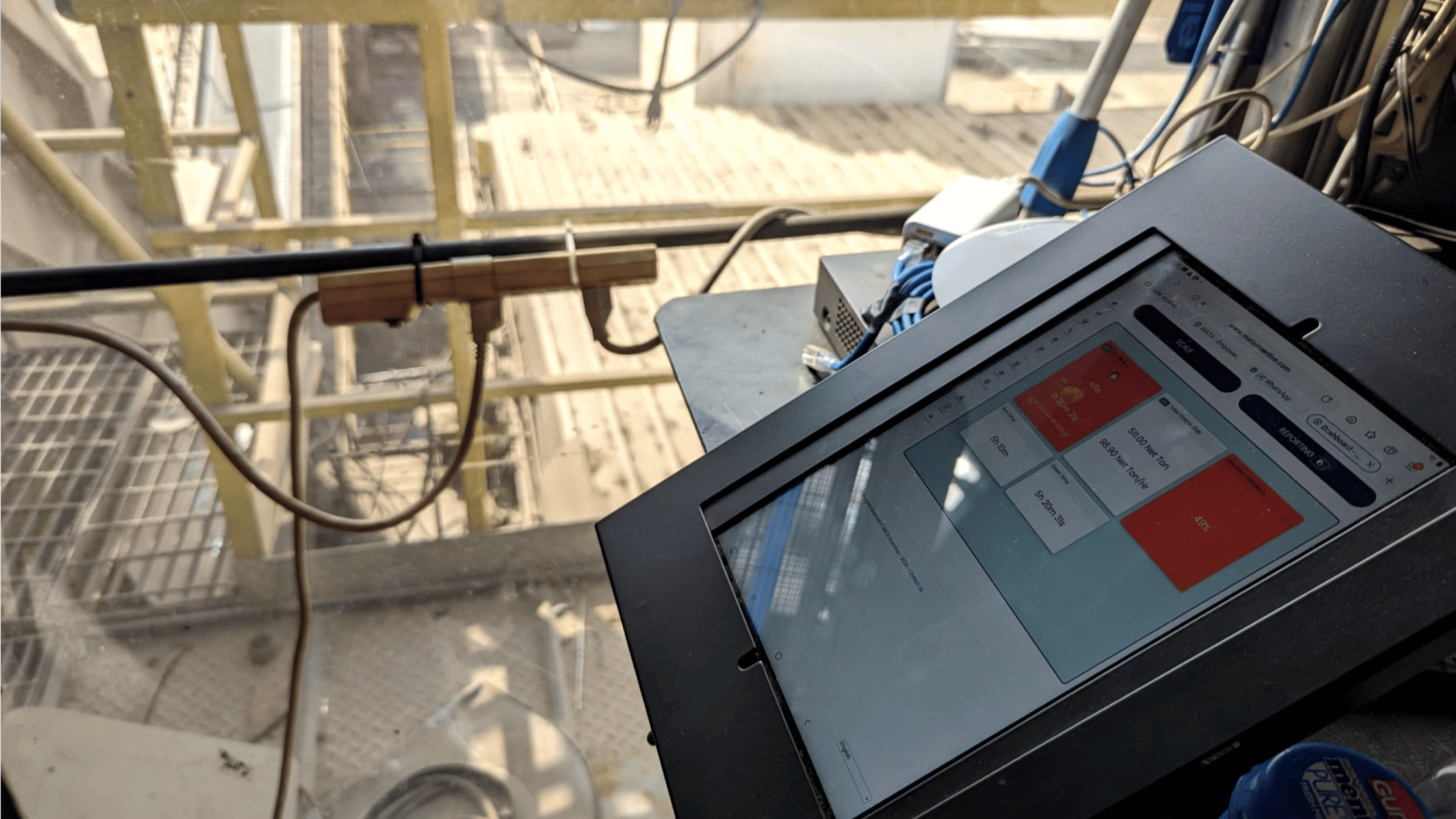
The implementation used an IoT device with a proximity sensor to measure every start and stop cycle. Bluetooth tracking was added to each injection mold, creating a connection between machine activity and the tool in use.
SensFlo also established a cloud based server that could be accessed inside the factory or from another location. The system included SensAsset IoT and SensPro IoT, Sheets integration, efficiency alerts, planned versus actual performance, and downtime reasons.
This approach gave Sharp Plastics a more current view of both press activity and mold use. The owner could monitor production remotely, while the factory team could work from the same data source.
Turning remote visibility into faster action
Remote access becomes valuable when it supports decisions during production. Current machine status can help leaders see whether planned work is running, whether a press has stopped, and whether machine time is being lost to idle periods.
Efficiency alerts and downtime reasons also add context. A stop becomes more than an absence of production. It can be categorized, reviewed, and addressed. Planned versus actual information gives the team another way to compare expected production with what is happening on the floor.
SensFlo’s guide to machine monitoring for injection molding explains how automated downtime logging, alerts, and machine state data help plastics manufacturers respond to production losses more quickly.
Understanding the published Sharp Plastics results
The public case study reports several related outcomes. Average work time increased by 62% and downtime decreased by 15% within six months. The key results section also reports a 20% increase in production hours per machine and an 88% reduction in idle time.
These figures should remain distinct because the public page does not provide the detailed formulas or measurement windows behind every metric. Together, they show that Sharp Plastics increased productive machine time and reduced production losses after implementing connected monitoring.
The top line effect comes from additional production hours that can support more output when customer demand, labor, and material are available. The bottom line effect can include less idle capacity and better use of existing equipment. The case study does not publish revenue, profit, or avoided capital spending, so those values should be calculated from Sharp Plastics’ operating data.
What other injection molders can learn from Sharp Plastics
Sharp Plastics shows how machine and mold visibility can support a facility when leadership is not always on site. Proximity sensing captured cycles, Bluetooth tracked molds, cloud access supported remote review, and alerts helped the team respond to losses.
A similar operation can begin by connecting press status with mold identity, then adding planned versus actual tracking and downtime reasons. This creates a path from basic visibility to more detailed production management without requiring unsupported assumptions about performance.
Frequently asked questions
How did SensFlo help Sharp Plastics monitor production remotely?
SensFlo used a proximity sensor to measure press start and stop cycles, Bluetooth tracking for each injection mold, and a cloud based server accessible from the factory or another location. This gave leadership current visibility into machine activity and the parts running.
What results did Sharp Plastics report?
The public case study reports a 62% increase in average work time and a 15% reduction in downtime within six months. Its key results also list a 20% increase in production hours per machine and an 88% reduction in idle time.
How does mold tracking improve injection molding visibility?
Mold tracking connects production activity with the specific tool in use. This helps teams understand which mold is running, review its production history, and connect machine cycles with mold related performance. Sharp Plastics used Bluetooth tracking on each injection mold as part of its monitoring system.
Why are planned versus actual reports useful?
Planned versus actual reports compare expected production with measured performance. They help teams see whether a job, machine, or shift is progressing as intended and identify gaps that require attention. Sharp Plastics included planned versus actuals, efficiency alerts, and downtime reasons in its SensFlo implementation.
Manufacturers can estimate the value of recovered production time with the ROAI Calculator, review FloControl Pro, or contact SensFlo.
You might also like...


Talk to us
Let us take your company to the next level. Let’s have a chat and find out how we can help you.

